Commercial kitchens carry a fire risk that standard building alarm systems weren't designed for. Grease, high heat, and constant equipment cycling create conditions that trigger false alarms in generic smoke detectors or worse, fail to catch a real one fast enough. Add insurance requirements, health department inspections, and fire marshal sign-off, and restaurant operators manage compliance pressure on top of life-safety risk. JK Alarms designs, installs, and monitors fire alarm systems built specifically for restaurant environments, with a standardized approach that scales cleanly across multiple locations.
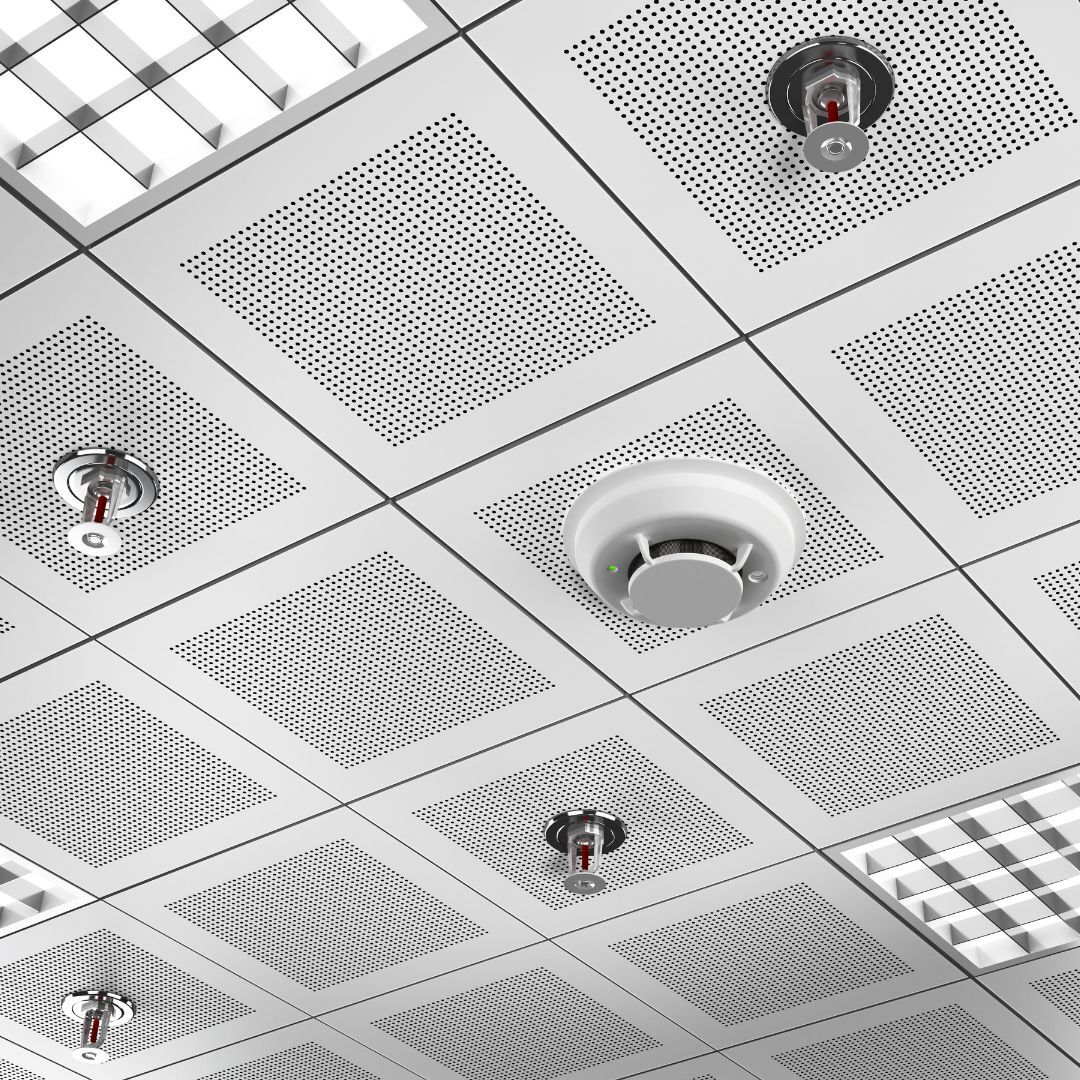
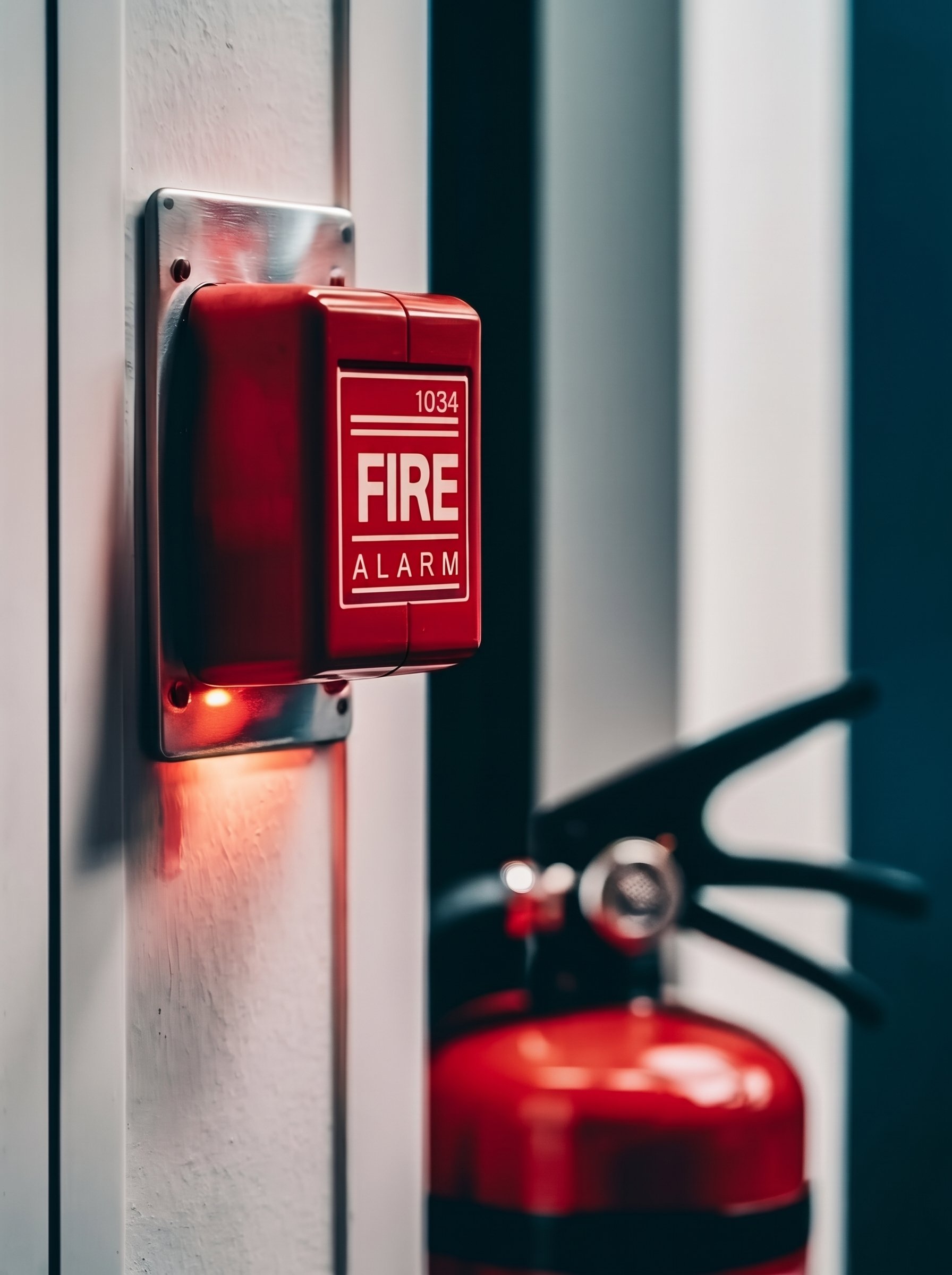
A modern restaurant fire alarm isn't there to sniff out smoke in the kitchen. Smoke and heat detection over the cook line has largely been dropped because of excessive false alarms, so the fire alarm does a different job: it's the convergence point where your kitchen hood suppression system, carbon dioxide monitoring, and fire sprinklers all connect and report to a central station.
That's where restaurants get into trouble. Every one of those connections has to be installed correctly, tested, and kept reporting, and local fire code decides whether you also need notification devices (horn strobes) and where they go. The real challenge is staying compliant, getting repairs done on time, and doing it all without disrupting your dining room or your service.

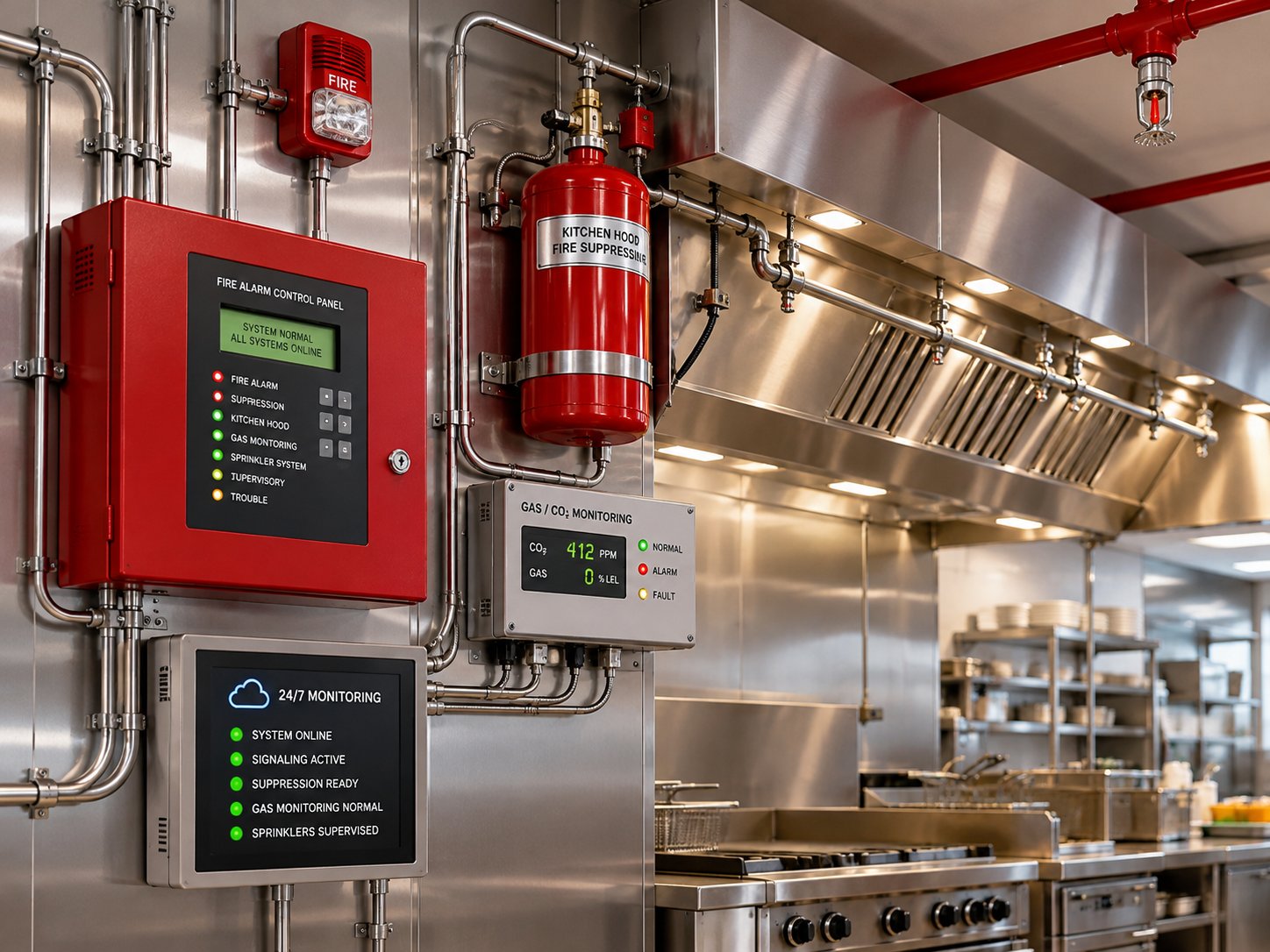
One fire alarm panel ties all your systems together, reporting to a central station around the clock, even when your kitchen is closed.
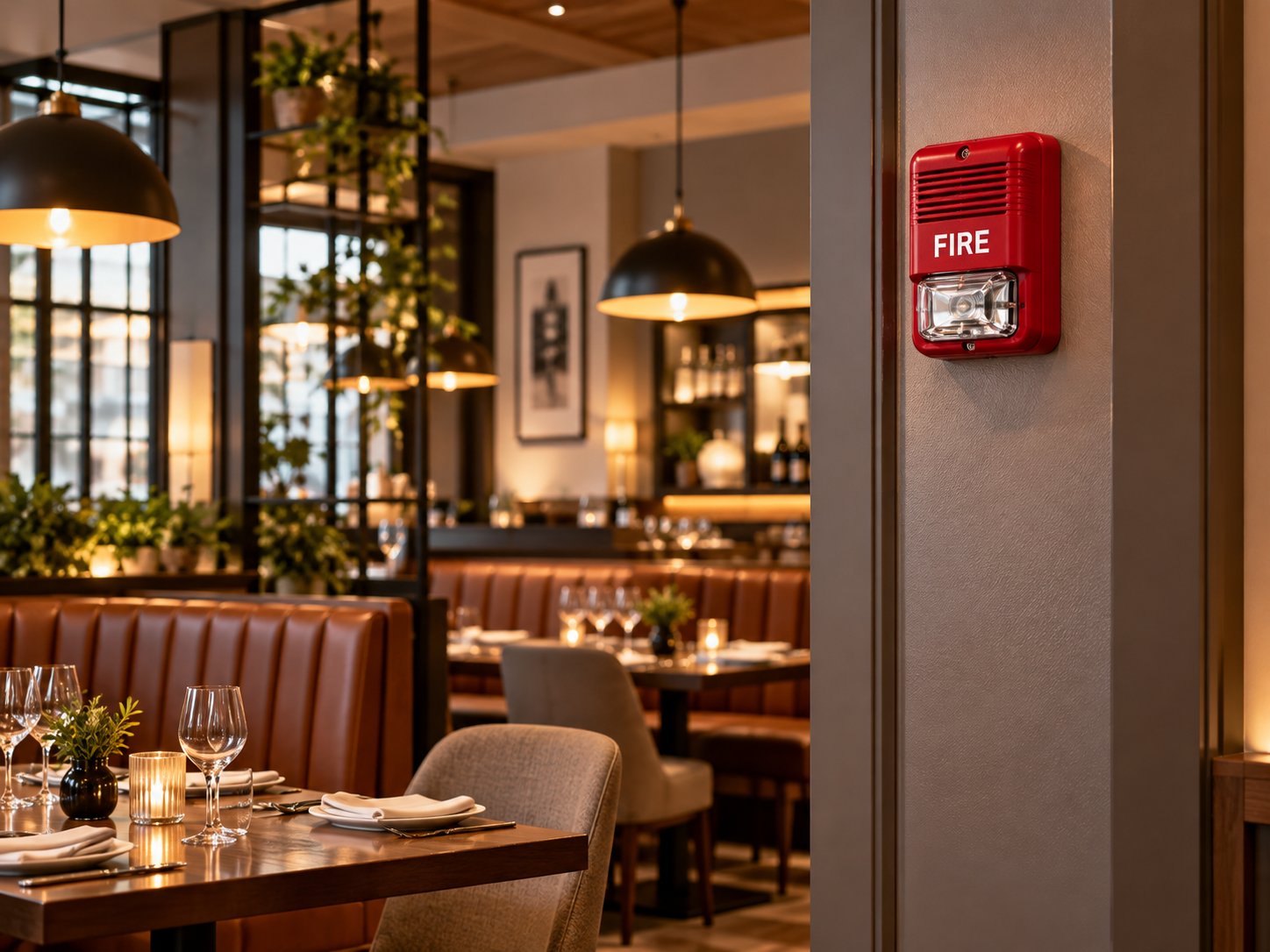
We install horn strobes only where local fire code requires them, chosen and placed to fit your dining room's look and flow.
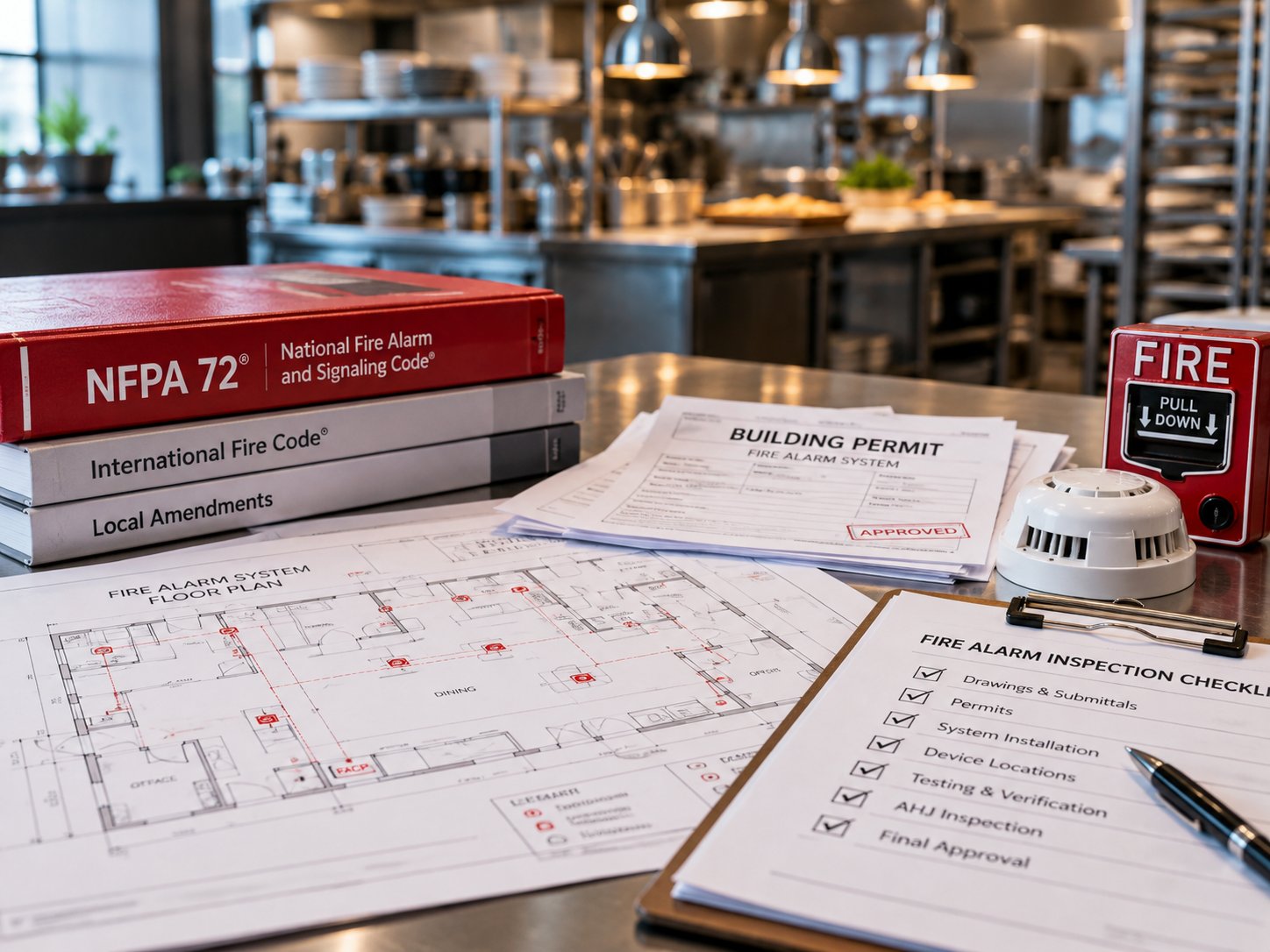
We handle design, permitting, and inspections to your local fire code, so inspection day isn't a scramble.
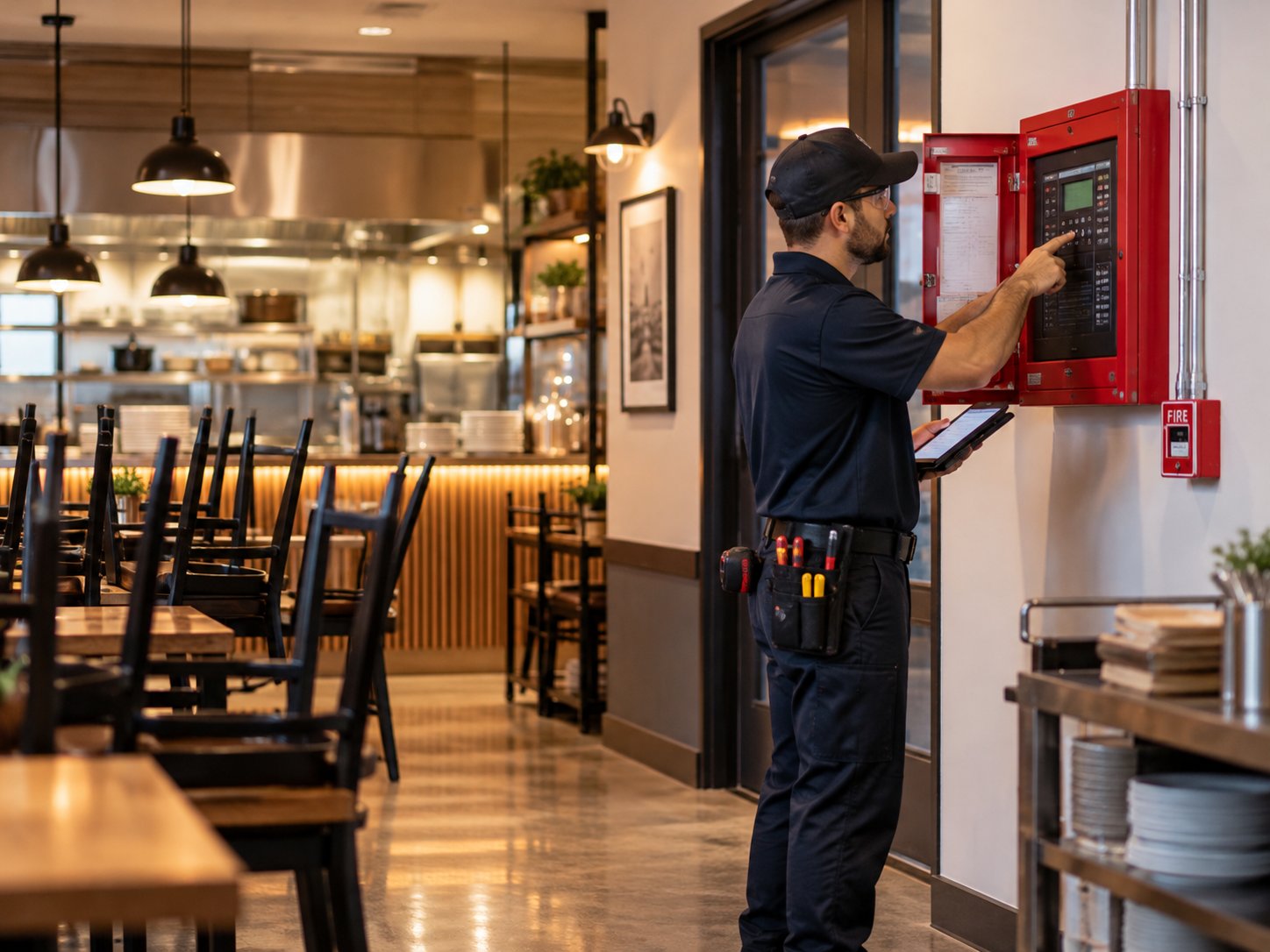
Fast response to trouble signals and scheduled maintenance that keeps your system compliant, with installs and visits timed around prep and service.
Whether you're planning new construction, need to bring an existing system up to code, or want to switch providers for monitoring and maintenance, we'll walk your property and give you a clear picture of what's needed; no pressure, no guesswork.
Schedule an Inspection Call (602) 957-0518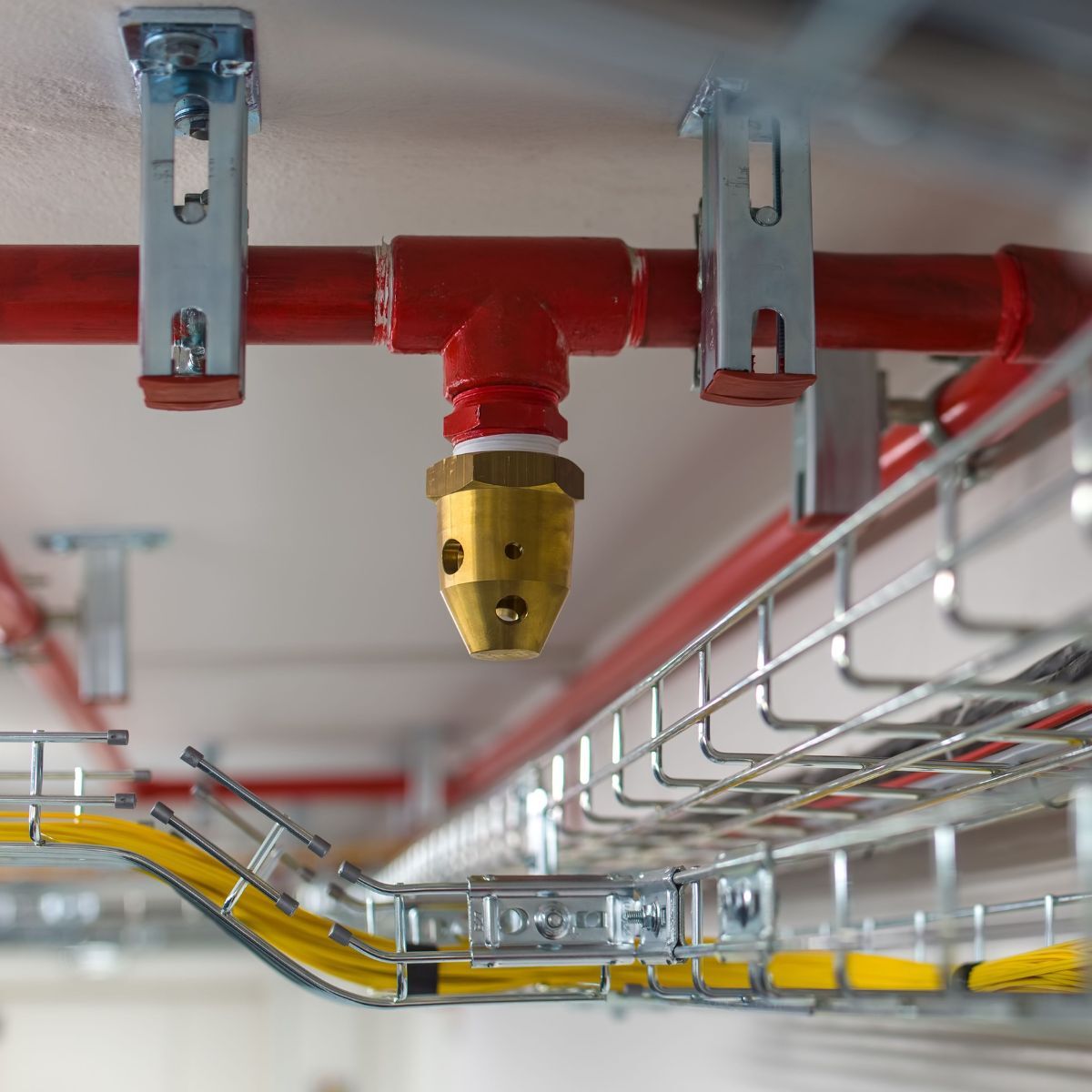
Restaurant chains and multi-location operators face a specific problem: managing fire and life-safety compliance across sites that may span different cities, each with its own inspection timeline and local requirements.
JK Alarms serves as a single vendor across all locations, so you get standardized system design, centralized monitoring and reporting, and one point of contact for compliance instead of getting shuffled between reps every time your account changes hands, as is common with larger, acquisition-heavy providers.
Whether you're running a single neighborhood restaurant or scaling a multi-location chain, explore how we keep every phase of your fire alarm system from design and permitting through central station monitoring, maintenance, and inspections reliable, code-compliant, and out of the way of service, with our Fire Alarm Systems for Restaurants in Phoenix. Cooking with gas-fired equipment? Ask about integrated gas detection for your kitchen.
01

02

03
04
05
06
07
You can expect a response within 1 business day.
Tell Us About Your ProjectDon't see your question here? We're happy to walk through the specifics of your property.
Ask Us Directly